Seven Days, Many Signals: Putting Wearables to the Test

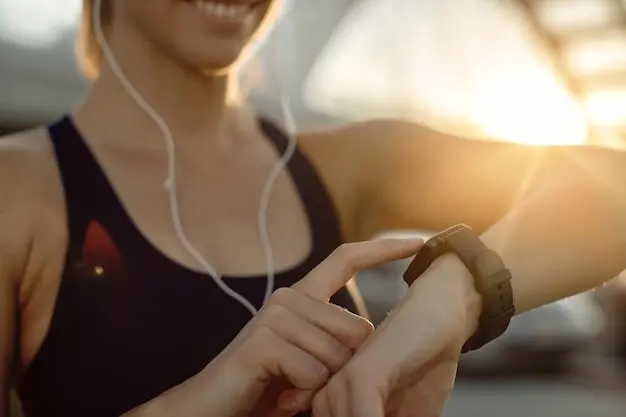
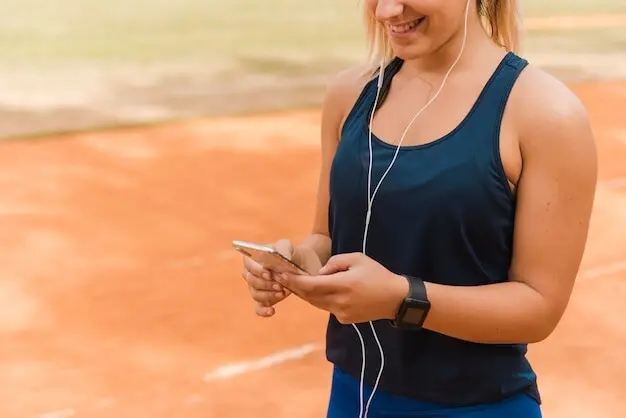
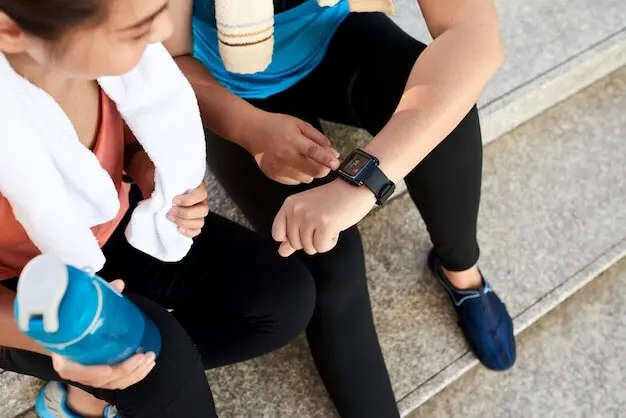
We are pilot testing wearables during a weeklong fitness challenge, blending structured workouts with everyday movement to see what truly holds up. Across seven demanding days, we compare accuracy, comfort, battery life, and motivation, while capturing honest experiences, surprising data quirks, and practical insights you can use to choose devices and shape training decisions with more confidence and clarity.

Designing a Fair, Actionable Trial
A meaningful week requires clarity: realistic goals, consistent conditions, and transparent methods. We outline why each workout exists, how data will be captured, and what decisions hinge on results. By defining primary outcomes, secondary observations, and fallback plans, we transform scattered signals into guidance that improves training choices rather than just creating colorful charts or reinforcing brand assumptions.

Daily Rhythm That Balances Effort and Recovery
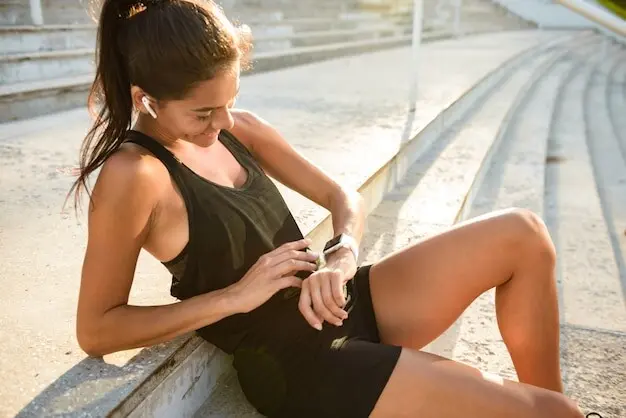
Seven days work only when discipline meets flexibility. We anchor mornings with baselines, alternate intensities to prevent overload, and schedule durable recovery. Each day tests different demands—intervals, tempo, strength, mobility, and long efforts—to expose device strengths and weaknesses. Reflections each evening turn raw metrics into lessons, helping tomorrow’s plan meet real bodies rather than rigid, idealized calendars misaligned with lived energy.

Morning Baselines and Priming

We record resting heart rate and HRV before coffee or notifications, then capture a one-minute breathing drill to standardize conditions. Short mobility prepares joints without artificially elevating readiness. Notes flag sleep interruptions, late-night meals, or stress. These quiet moments become a compass, identifying outlier days when reduced loads or modified intervals create smarter, more productive training than pushing blindly through fatigue.

Workout Blocks Across Intensities

High-intensity intervals reveal heart rate lag and optical sensor artifacts, tempo runs test GPS stability, and strength circuits probe rep counting and calorie estimates. Cross-training adds wrist motion variability, challenging algorithms. By cycling efforts strategically, we map where devices shine or stumble, guiding athletes to trust certain signals and treat others as colorful background that should never dictate tough pacing decisions.

Evening Recovery and Reflections

Gentle mobility, a ten-minute walk, and light hydration reset muscles without muddying sleep. A short journal entry records perceived exertion, mood, and aches, pairing feelings with numbers. Devices log wind-down heart rate and pre-sleep stillness. This pairing of data and narrative creates cohesion, helping identify patterns like late caffeine spikes or screen time habits that steal tomorrow’s speed or motivation.

Making Sense of Signals: Accuracy, Lag, and Context

Numbers persuade, but context convinces. We benchmark against a chest strap during intervals, cross-check GPS distance on a measured track, and validate step counts indoors. We observe latency on surges, dropouts in sweat-heavy sessions, and drift during cold mornings. The goal is not perfection, but predictable behavior, so athletes know when to lean in, and when to quietly ignore anomalies.

01

Heart Rate, HRV, and Effort Perception

Optical sensors often lag during fast surges, while chest straps respond quickly but require careful maintenance. HRV trends guide readiness only when compared with personal baselines and life context. We pair perceived exertion scales with beats-per-minute traces, learning how feelings forecast next-day bounce-back better than any single metric, and when a surprising dip actually signals beneficial adaptation rather than danger.

02

GPS, Distance, and Pacing Reality Checks

Tree cover, tall buildings, and switchbacks challenge precise tracking. We test track laps for absolute distance, trails for signal noise, and city routes for multi-path distortions. Watch-based pace smoothing can mask surges, so manual splits and known markers remain helpful. Understanding these quirks prevents overreactions, turning a jittery map into coaching clarity rather than an argument with invisible satellites and algorithms.

03

Sleep and Recovery Estimates Under Pressure

A challenging week magnifies the limits of sleep scoring. Late workouts skew latency, naps complicate totals, and stress undermines recovery math. We compare next-day performance and mood against readiness numbers, seeking consistent alignment. When scores conflict with how you feel, we test micro-adjustments—reduced volume or shifted intensity—and track outcomes, building trust through experiments rather than blind faith in morning notifications.

Comfort, Durability, and Battery in Real Life
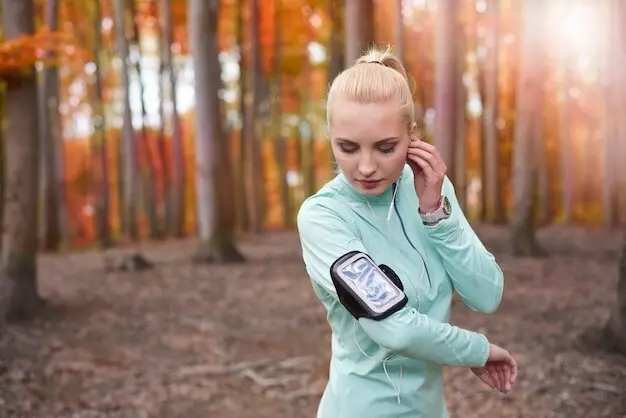
A device you dread wearing will never help you train. We examine strap comfort through sweat, swelling, and repetitive motion. Battery tests span GPS-heavy sessions, indoor intervals, and long days away from chargers. We note skin irritation risk, button usability with gloves, and display readability in rain. If hardware complicates consistency, even brilliant analytics turn into dusty, unused potential.

Straps, Skin, and Sweat

Fit drives signal quality and comfort. Too loose invites noise; too tight invites irritation. We rotate positions, clean sensors, and trial different strap materials during humid workouts. Notes capture chafing, slippage on descents, and hair interference. Sustainable comfort matters because adherence builds data integrity, and data integrity builds the trust required to follow insights when fatigue tempts easy, unproductive choices.

Charging Logistics and Battery Endurance

Real life rarely includes perfect charging windows. We track drain across GPS intervals, strength days, and idle hours, noting low-battery warnings and recharge speeds. Magnetic pins versus clamps affect convenience, especially while traveling. When devices survive long bricks without babysitting, routines feel lighter. That friction difference often determines whether you capture the long Sunday run or guess afterward from memory.

Data Handling Without Headaches

Sync, Export, and Interoperability

We test Bluetooth reconnection after sweaty intervals, background sync on low battery, and batch exports for analysis. CSV and FIT formats must include time zones, sensor types, and lap markers. When platforms talk politely, experimentation flourishes. The smoother the pipeline, the more likely athletes reflect daily, share insights constructively, and sustain momentum during busy weeks where friction quickly derails healthy routines.

Cleaning Anomalies and Aligning Timelines

Spikes, gaps, and duplicated records happen. We align streams by timestamps, trim warmups, and annotate interruptions. A practical workflow—flagging outliers instead of deleting everything—preserves learning moments. By pairing contextual notes with suspicious patterns, we avoid superstitious training decisions and teach athletes the art of interpretation, where one deviant datapoint prompts curiosity rather than panic, blame, or premature device abandonment.

Privacy, Consent, and Ethical Sharing

Data reflects bodies, identities, and vulnerabilities. We limit access, anonymize exports, and routinely revisit consent. Location trails, home addresses, and medical hints deserve caution. We encourage sharing aggregated insights, not personal maps. Ethical defaults—opt-in choices, expiration dates, and transparent purposes—build trust, making communities more eager to compare results, discuss tradeoffs, and co-create better training habits without sacrificing personal boundaries or safety.

Stories, Surprises, and Practical Takeaways

When Alerts Changed a Workout Plan

A mid-interval alert suggested backing off. Instead of stubbornly pushing, the athlete shifted to technique drills, then finished strong with improved splits the next day. That small pivot validated readiness cues, proving how balanced flexibility protects momentum and fosters sustainable gains, especially when seven consecutive days tempt overconfidence and personal pride to override subtle, protective signals from data and body.

A Step Count Mystery Solved by Context

A puzzling step surge appeared on a rest day. Notes revealed a fidgety meeting and an anxious evening walk. Rather than chasing ghosts, we tagged the anomaly and moved on, reminded that context rescues numbers from misinterpretation. Share your own mysteries, and together we will transform confusing blips into practical wisdom that tightens feedback loops and strengthens consistent, thoughtful training.

Choosing What Actually Helps You Move

Fancy features feel exciting, but the best device is the one you’ll wear daily. If a calm vibration nudges bedtime or a clear interval screen prevents mid-set squinting, that reliability outweighs glossy marketing. Tell us which details keep you moving, subscribe for follow-ups, and join future community challenges where we refine playbooks, swap lessons, and celebrate steady, sustainable progress.
Novilumarinonarivexo
Privacy Overview

This website uses cookies so that we can provide you with the best user experience possible. Cookie information is stored in your browser and performs functions such as recognising you when you return to our website and helping our team to understand which sections of the website you find most interesting and useful.